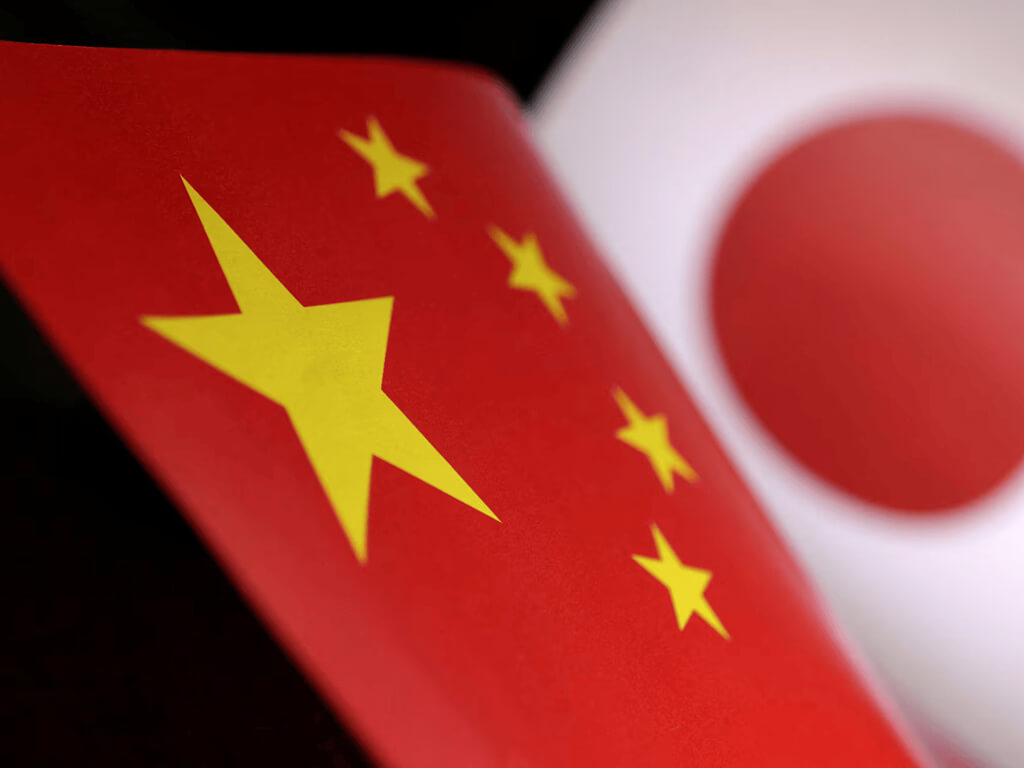

China and Japan, the biggest economies in Asia, are once again moving into a familiar and uneasy rhythm. Their latest confrontation carries reminders of earlier moments when rivalry slipped into public view. Each government has taken steps the other views as provocative, and the effects are now spreading widely. Cultural festivals have been quietly canceled, business conferences sit in limbo, and tense encounters near contested waters have added a sharper edge to regional unease.
The question is no longer whether relations will worsen, but how far the decline may go. History offers its own warnings. For now, the signs suggest that open conflict remains unlikely. Both countries have much at stake, and the United States under President Trump has signaled a preference for cooling tensions. Still, the weight of past grievances and long memories continues to bear down on the present, shaping a future that appears increasingly uncertain.
What Triggered the Giants
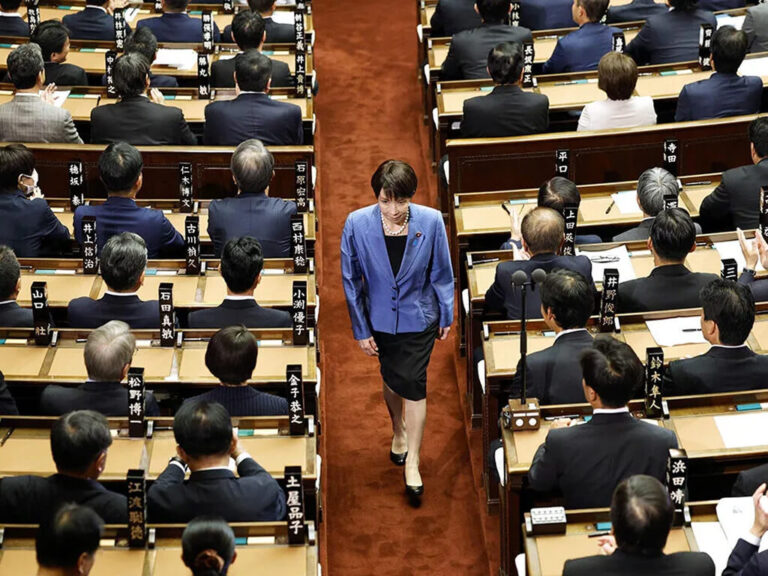
Tensions resurfaced after Japan elected a right-leaning, pro-United States, and China-skeptical prime minister, Sanae Takaichi, in October. She faces a challenging domestic political climate, with uncertainties within her ruling coalition and pressure from a rising far-right movement. In this situation, a close ally of former Prime Minister Shinzo Abe was widely expected to adopt a hardline stance toward China to secure her position, and that expectation has proven accurate.
From the start, Takaichi directed her comments at China, and relations deteriorated after she suggested that Japan could intervene militarily if China attacked Taiwan. Speaking in parliament, she said such an assault could constitute a threat to Japan’s existence under its 2015 collective self-defense law, which created exceptions to the postwar ban on using force to settle international disputes.
Beijing, adamant that Taipei is part of its territory and opposed to any signs of Japanese militarization, reacted with fury. Chinese officials demanded that Takaichi retract her comments, accusing her of issuing a military threat against China and attempting to revive prewar Japanese militarism. Takaichi, seeing opportunity in the heightened tension, has not withdrawn her remarks, although her government maintains that Japan’s policy has not changed.
A Relationship Always on the Edge
While it is true that the relationship has deteriorated recently, it must be said that relations between China and Japan have never been entirely smooth. The two nations have a long history of rivalry and mutual mistrust. China at times sought to assert dominance over Japan, while Japan pursued its own regional ambitions. Trade between the countries picked up in the late 19th century, but political friction remained, eventually leading to a series of armed conflicts.
During this period, Japan invaded and annexed parts of China. From the 1930s through World War II, Japan’s Imperial Army carried out brutal campaigns in China, including the infamous mass killings in Nanjing. These historical events, along with ongoing territorial disputes, continue to cast a shadow over relations between the two nations.
Since Japan’s surrender in 1945 and its adoption of a U.S.-directed postwar path, China and Japan have never come close to full-scale war, but tensions have flared repeatedly. Nationalist sentiment remains strong on both sides, and even moderate voices in China often harden when confronting Japan. Economically, however, the two countries have relied on each other. Over the years, trade, investment, and tourism have increased, and citizens from both nations travel widely to each other’s countries.
Although Japan has had prime ministers who took strong positions against China, Sanae Takaichi stands out as one of the most resolute. She has demonstrated a clear readiness to challenge China on multiple fronts. During the October 2025 APEC summit, Takaichi met with Taiwanese officials immediately after her meeting with Chinese President Xi Jinping, a move that signaled a significant shift in Japan’s diplomatic posture regarding China.
With incidents in November adding to the strain, both nations seem to be resurfacing longstanding animosities. Diplomatic disputes are now extending into cultural, economic, and military spheres. There are increasing signs that Japan is returning to older patterns of military pride, a development that will undoubtedly concern China, which Japan identifies as its greatest strategic challenge, according to the 2025 Defense White Paper.
Escalating Tensions
China responded sharply to Takaichi’s comments and actions, summoning Japan’s ambassador. Tensions intensified when the Chinese Consul General in Osaka posted on social media that China had “No choice but to cut off that dirty neck that has been lunged at us,” prompting strong rebukes from Tokyo. Foreign Minister Wang Yi issued an unusually forceful condemnation.
Beijing expanded its measures by issuing travel warnings, reinstating its ban on Japanese seafood, which was originally imposed after Japan released treated water from the Fukushima Daiichi nuclear plant in 2023, and delaying the release of Japanese films. An estimated half a million travelers canceled trips to Japan, and shares in Japanese tourism and retail sectors fell sharply.
China also deployed its coast guard to waters around the Senkaku Islands, which Japan administers but China claims. Military drones flew near Yonaguni Island, Japan’s westernmost territory, just 110 kilometers from Taiwan. Chinese banks and state-owned companies reportedly advised employees not to visit Japan.
At the United Nations, China accused Japan of threatening armed intervention and claimed that Tokyo had violated international law. Fu Cong, China’s ambassador to the UN, warned that China would “resolutely exercise its right of self-defense” and accused Japan of undermining regional stability.
China’s reaction, combined with Japan’s response, has heightened fears of escalation in the region.
Taiwan Caught in the Middle
Taiwan, already under mounting pressure from China, is preparing for the worst as tensions between China and Japan rise. Taipei announced a 40 billion dollar special defense budget to counter what President Lai Ching te described as intensifying Chinese threats. He stated that there is no room for compromise on national security and warned that Beijing’s pressure campaign includes military harassment, propaganda, espionage, and infiltration.
The increased spending will support new missiles, drones, and artificial intelligence systems between 2026 and 2033. Taiwan considers Japan an important partner in deterring Chinese encroachment, and leaders in Taipei have publicly supported Takaichi’s statements.
China condemned Japan’s plan to install a medium range missile system on Yonaguni Island, calling it a deliberate attempt to provoke military confrontation. Whether welcomed or not, Taiwan is almost certain to be pulled into this growing turmoil and may become the center of the crisis.
Why Further Escalation Seems Unnecessary
Despite the heated rhetoric, the likelihood of immediate conflict remains low. The economic costs would be enormous and both governments understand this. China remains Japan’s second largest export market after the United States, and it is unlikely that Beijing wants to lose that position at a time when the United States market is becoming increasingly resistant. In 2024, two way trade exceeded 300 billion dollars. Any war or even a near war situation would disrupt trade with many other countries, and other manufacturing hubs are ready to capture any business that Japan or China might lose.
The United States is not interested in escalation and is urging restraint. According to reports, President Donald Trump privately asked Takaichi to lower the temperature in the dispute, likely to protect his fragile economic truce with China. The White House has stated that both nations have a responsibility to avoid actions that could revive militarism. Without United States support, Japan is unlikely to push the confrontation further.
Politically, the standoff has worked in Takaichi’s favor even though it has caused economic strain. Despite criticism from opposition lawmakers, her approval rating rose to nearly 70 percent in a Kyodo News poll conducted after the clash began. Nearly half of respondents supported Japan’s right to exercise collective self defense in the Taiwan crisis. The situation is benefiting her domestically, and it is also helping China by placing Taiwan, patriotism, and memories of the Second World War back at the center of public attention. Both governments seem to have achieved what they wanted from this escalation. If so, there is little incentive for either side to advance to the next stage.